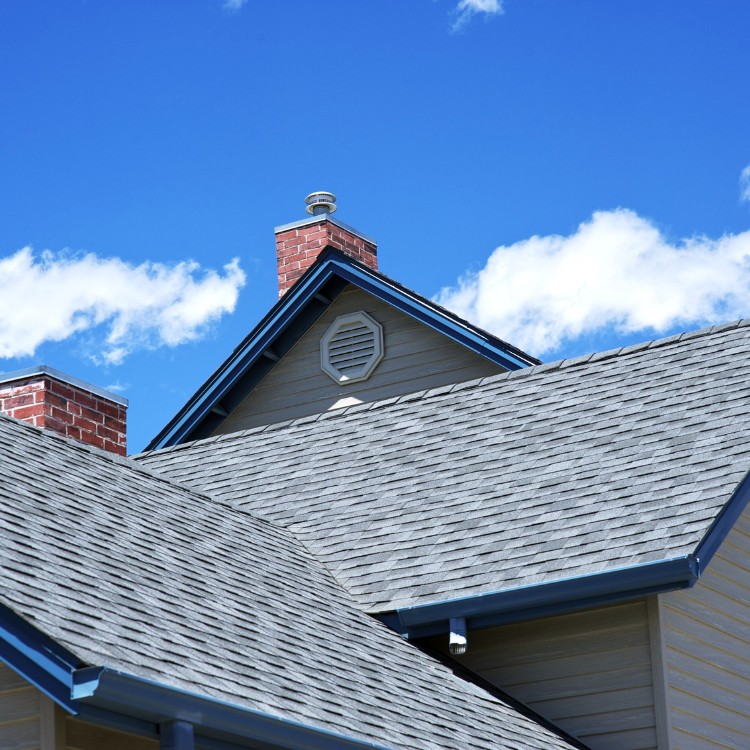
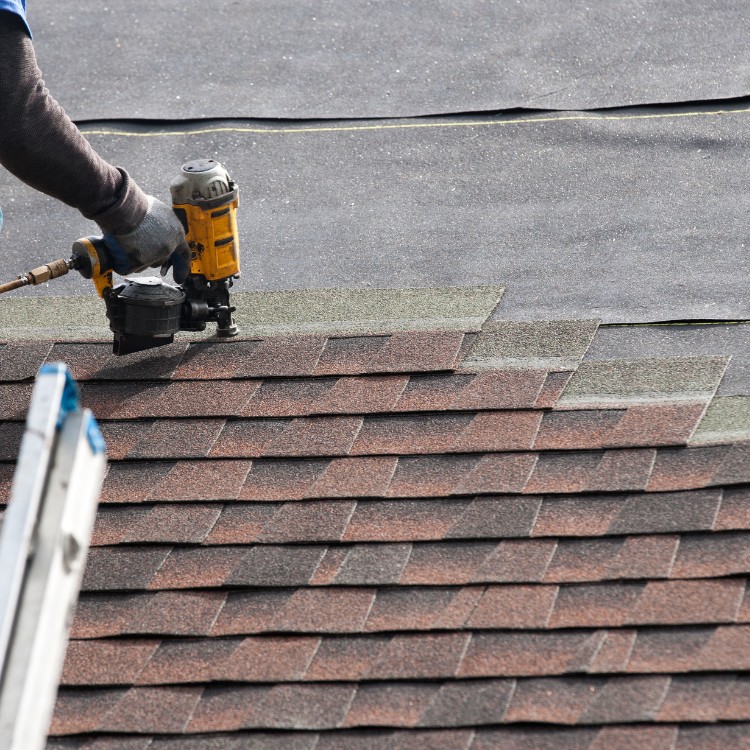
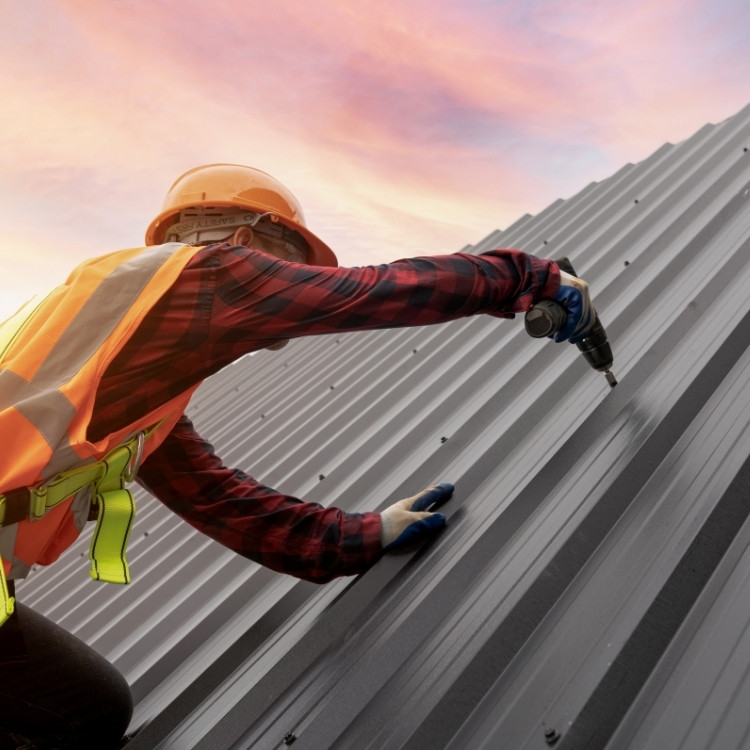
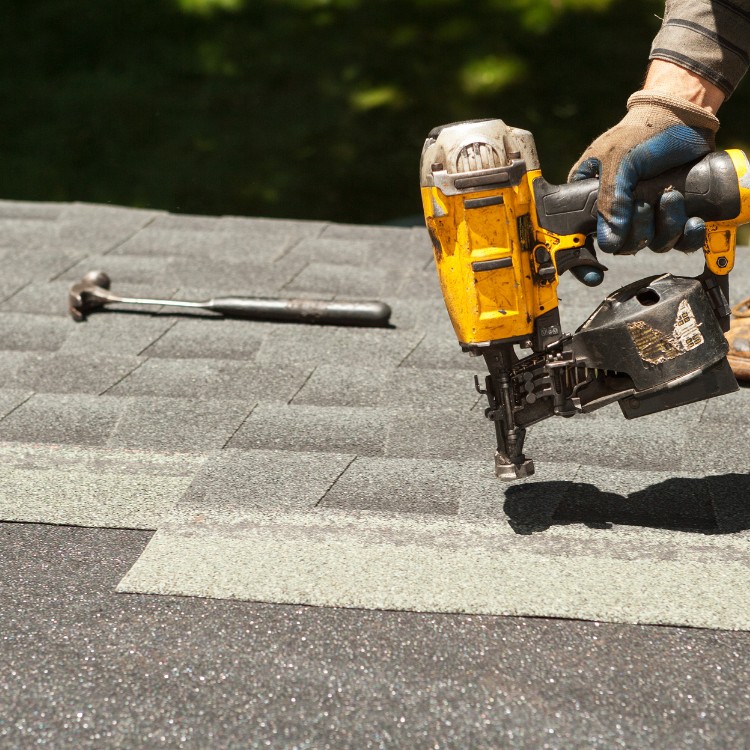
Repairs are ideal when the roof is structurally sound and damage is isolated. Common repair scopes include replacing damaged shingles, re-sealing or replacing flashing, addressing pipe boot failures, correcting exposed fasteners, and restoring vulnerable transitions. Timely repair can prevent moisture intrusion that leads to mold, insulation damage, and decking deterioration.
Replacement becomes the smarter choice when the roof shows widespread wear, repeated leak history, or aged materials that no longer shed water reliably. A new roof can improve resilience, appearance, and overall property value, especially when modern underlayment and ventilation upgrades are included as part of the system.
If you’re unsure which direction makes sense, we’ll explain the pros, cons, and expected service life for each option. You’ll receive straightforward guidance focused on risk reduction, code-minded installation practices, and a plan that fits your timeline and budget.